Keep exploring
Brain · Visual journey
Alzheimer’s begins before forgetfulness.
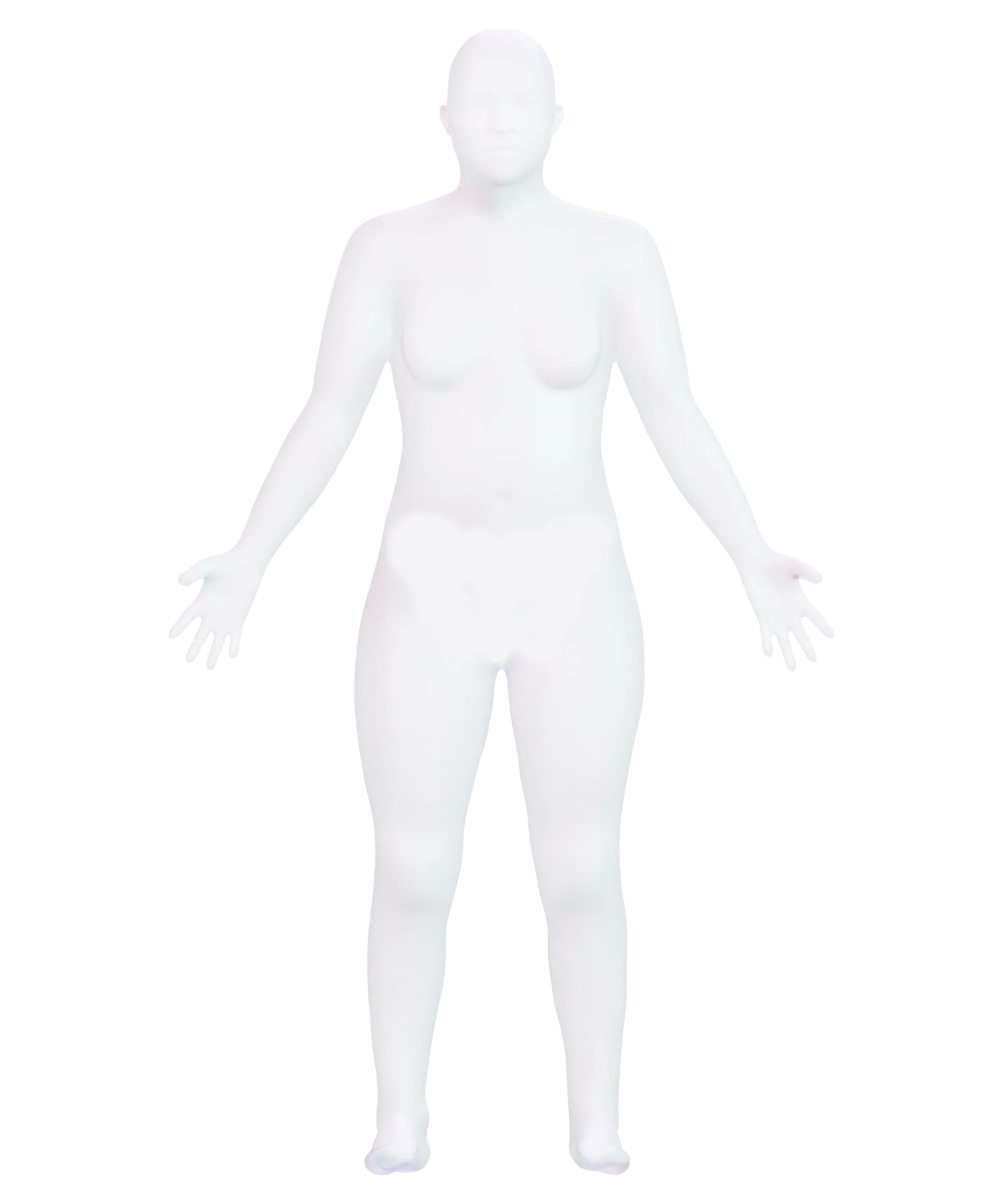
The journey moves from the body to the hippocampus, then to neurons and the lesions that disrupt communication between those cells.
Begin the journeyScroll to change scale
Region
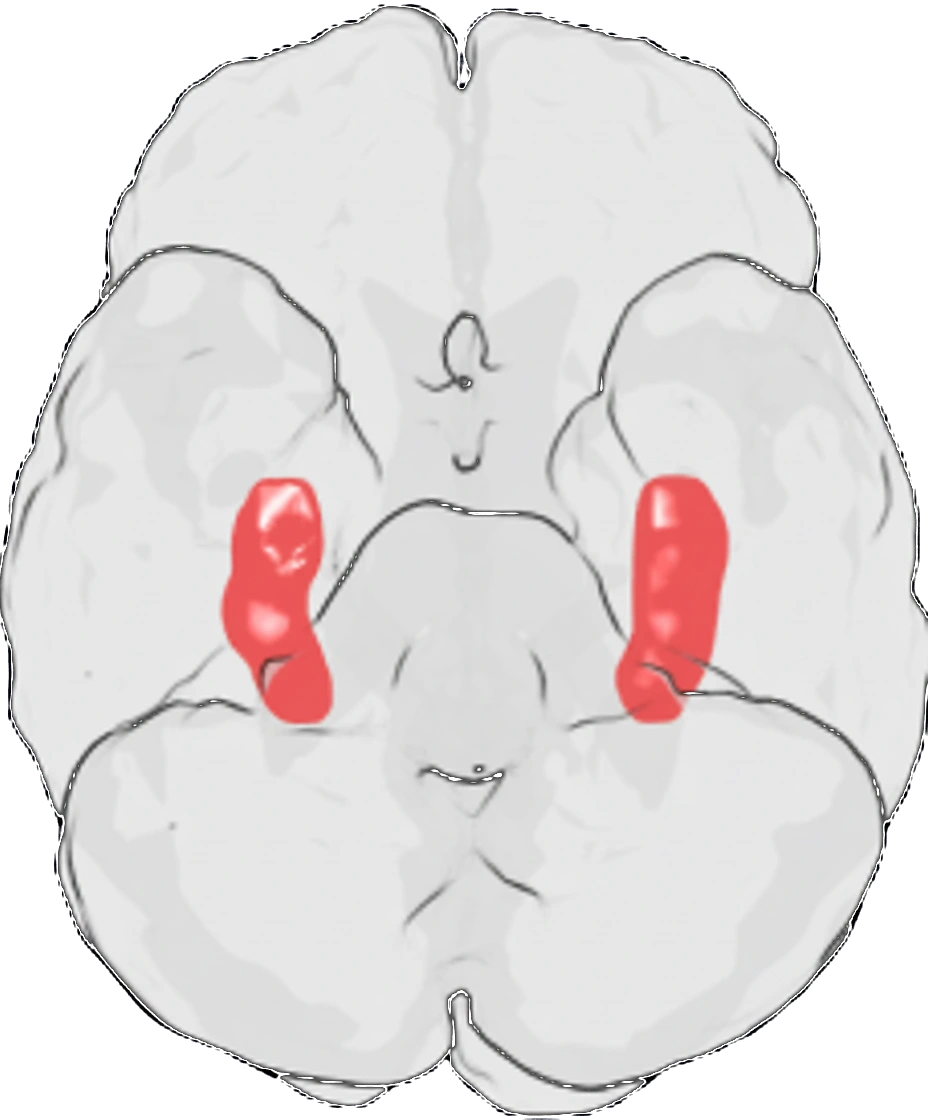
The hippocampus.
Early damage often affects the hippocampus and entorhinal cortex, regions essential for forming memories.
Cellular scale
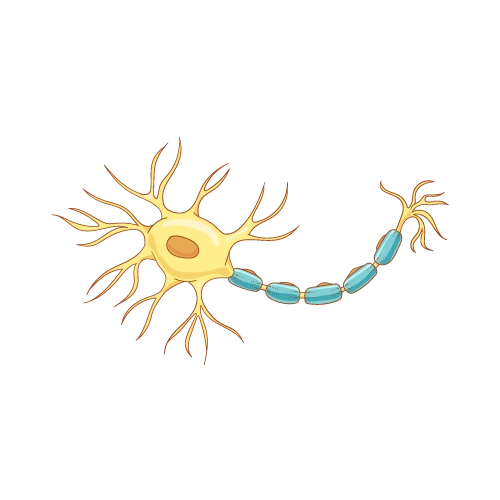
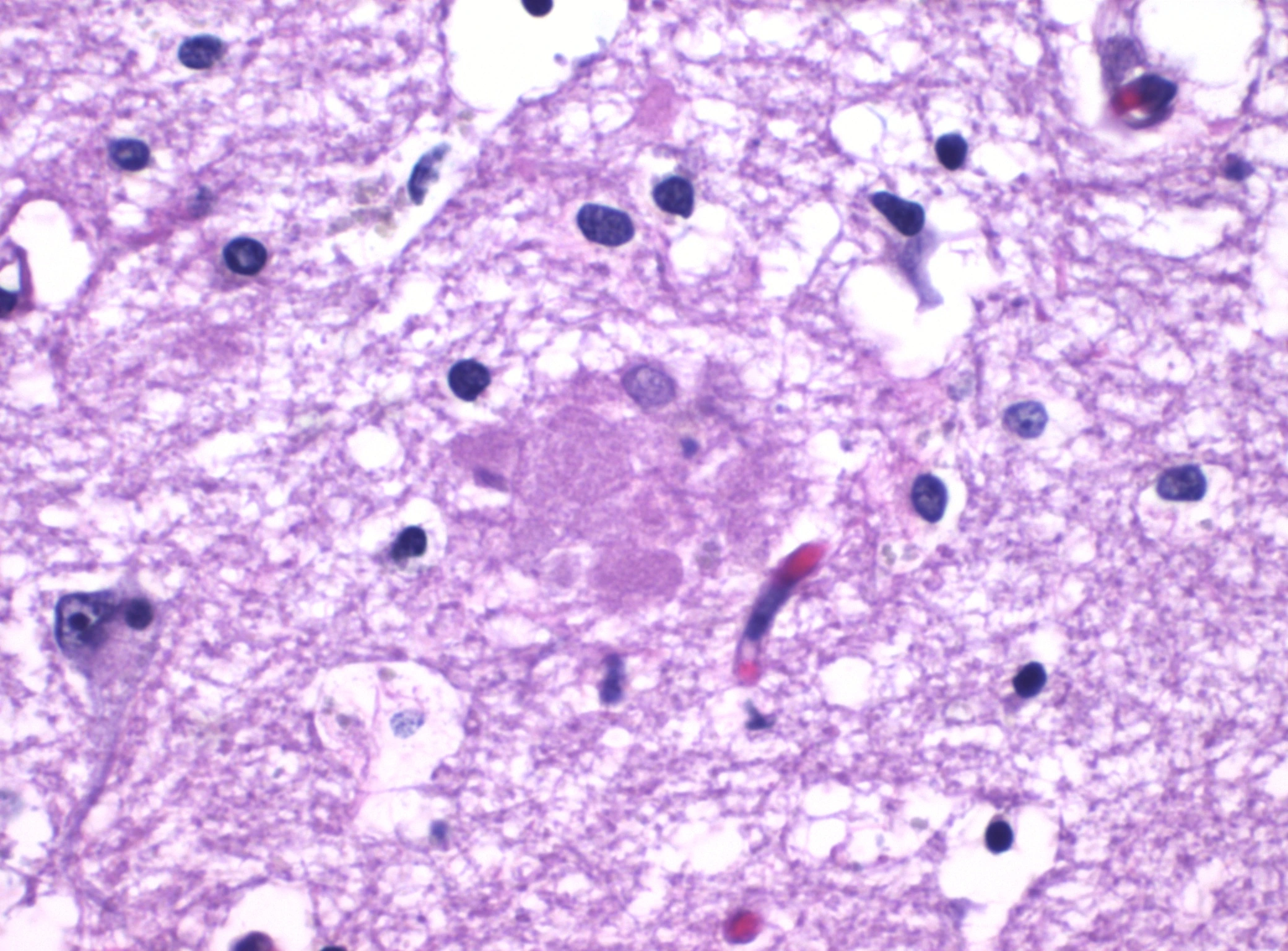
The neuron.
Each neuron belongs to a network. It receives signals, processes them, and communicates with other cells.
Under the microscope
Plaques and tangles.
Beta-amyloid forms plaques between neurons, while tau forms tangles inside them. They are not the whole story of Alzheimer’s, but they are two of its main hallmarks.
Compare the tissueEvidence under the microscope
Two lesions, two locations.
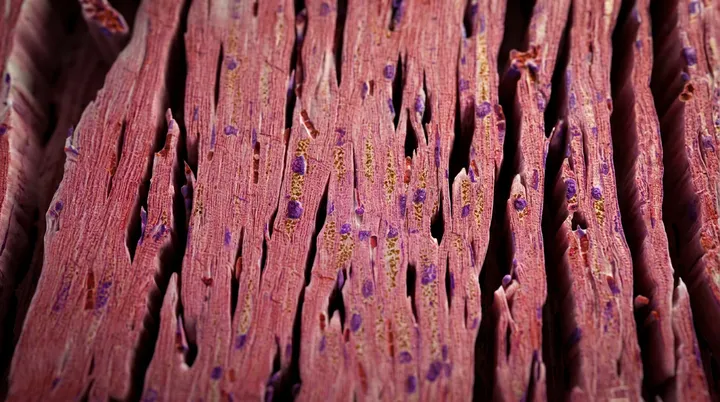
A plaque lies outside neurons; a tangle, inside. These are microscope views of the hippocampus from people with Alzheimer’s disease.
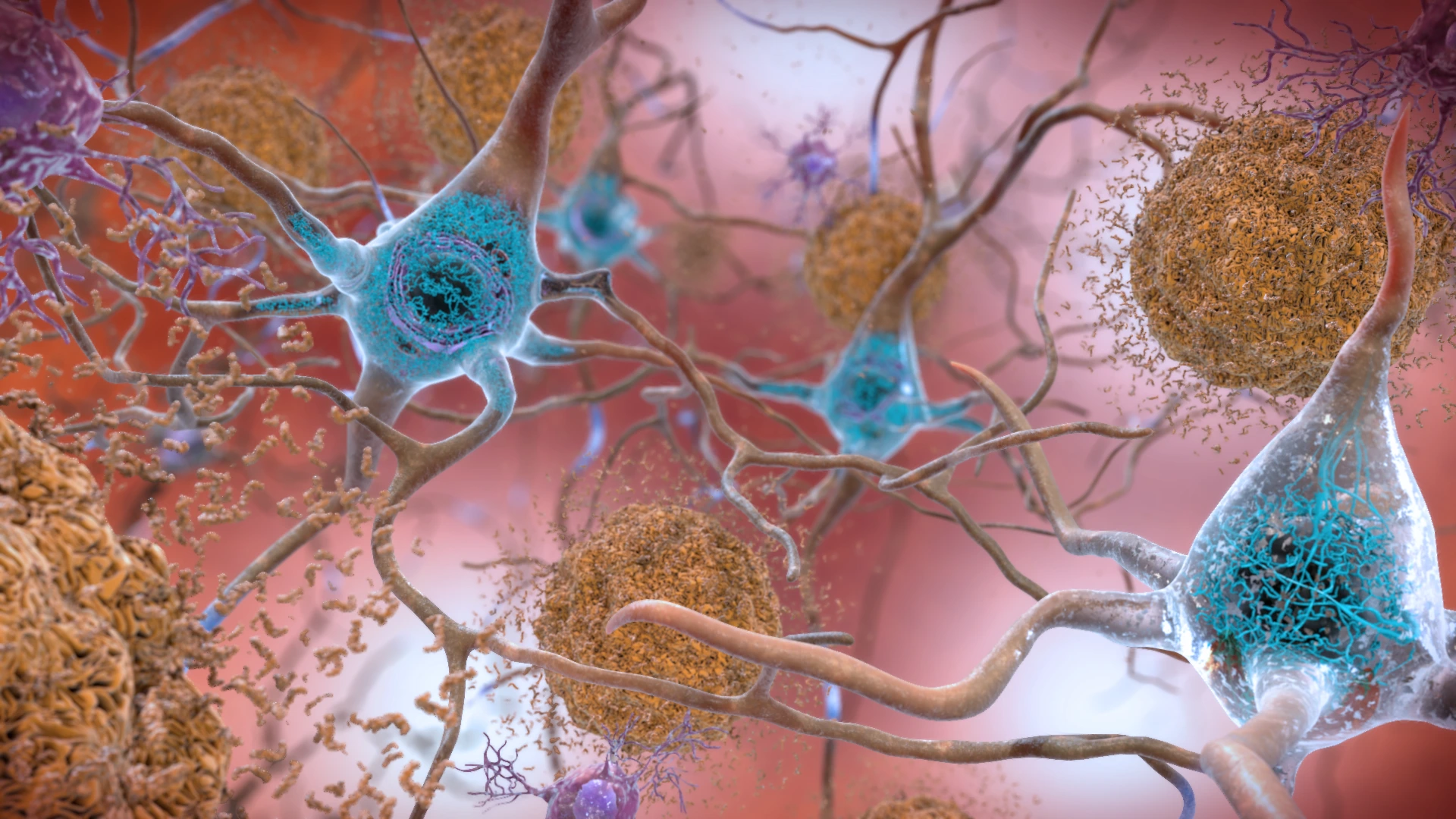 Beta-amyloid plaque
outside the neuronTau tangle
inside the neuron
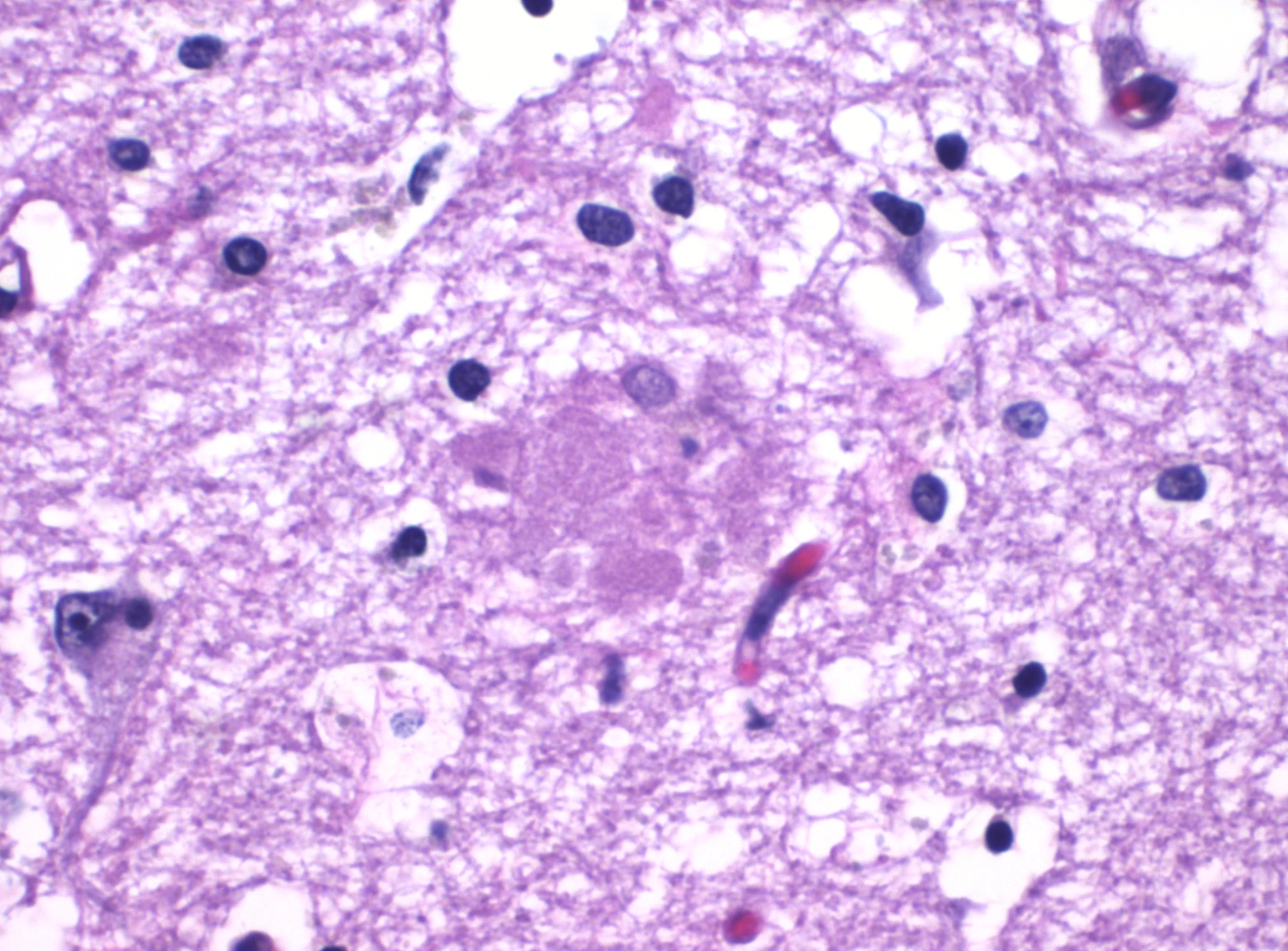 Between neuronsPlaque
The rounded, dense, purple lesion is a plaque. It builds up in the space between neurons.
Human · hippocampus · H&E · magnification not reported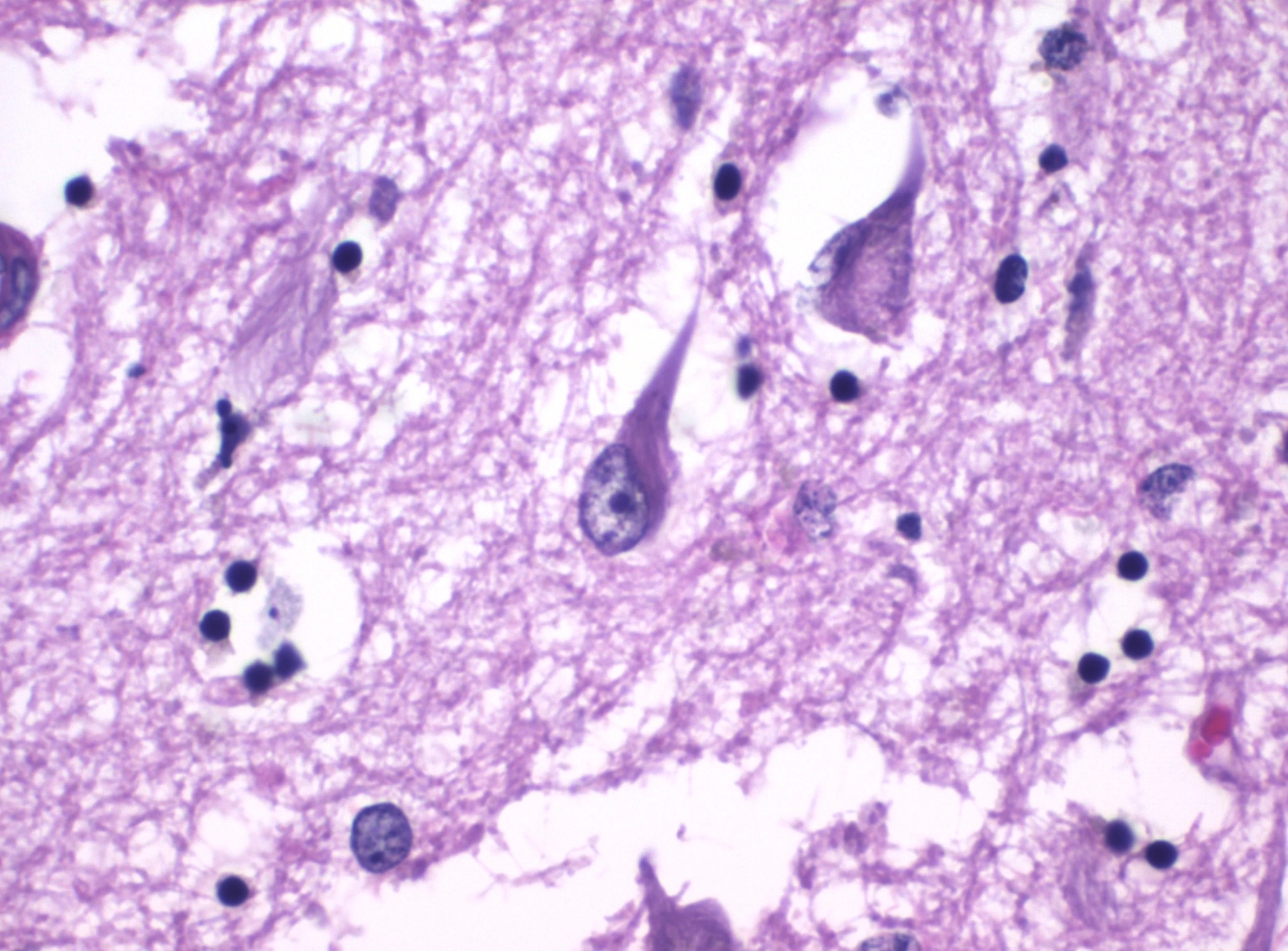 Inside the neuronTangle
The dense structure inside the neuron’s cell body contains altered tau and disrupts the cell’s transport system.
Human · hippocampus · H&E · magnification not reportedA diagnosis is not based on one plaque or one isolated lapse in memory.
What you can influence
Risk is not destiny.
No formula can guarantee that you will not develop Alzheimer’s disease. But some choices do protect brain health and reduce risk factors associated with cognitive decline.
- Measure what stays silentBlood pressure, glucose, and cholesterol still need monitoring even when you feel well.
- Move your bodyPhysical activity supports cardiovascular health and is associated with better cognitive function.
- Protect sleep and hearingIf you snore, sleep poorly, or notice hearing loss, do not dismiss these signs: seek an evaluation.
- Do not smokeAvoiding tobacco protects blood vessels and the brain. No supplement replaces these measures.
Medical transparencySources and scope
Visual provenance, medical evidence, and editorial transformations.
- Human Reference Atlas, NIH 3D .. CC BY 4.0
- NIAID / Ryan Kissinger .. Public domain
- Washington Irving .. Public domain
- NIAID / Rose Perry-Gottschalk .. Public domain
- National Institute on Aging, NIH .. Public domain
- Mikael Häggström, M.D. .. CC0 1.0
- Mikael Häggström, M.D. .. CC0 1.0
- Early damage from Alzheimer’s disease often affects the hippocampus and entorhinal cortex, regions essential for forming memories.
- Beta-amyloid plaques accumulate between neurons, and tau tangles accumulate inside them; both are major features of Alzheimer’s disease.
- Alzheimer’s disease is not a normal part of aging, and its cause usually involves a combination of age, genetics, environment and lifestyle.
- No intervention has been shown to prevent Alzheimer’s disease, but physical activity, managing blood pressure, diabetes and cholesterol, good sleep, not smoking and treating hearing loss support brain health and may reduce risk factors associated with cognitive decline.
The micrographs come from different people and illustrate patterns; they do not show an inevitable progression or establish an individual diagnosis.
Sources verified on August 25, 2026.