
You asked
If my Pap test comes back normal, do I still need a colposcopy?
This question came from the comments on this video:
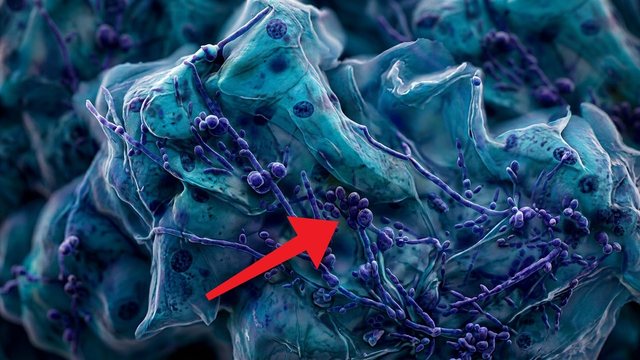 Herpes, trichomonas, yeast, vaginosis .. your Pap test detects more than cancer
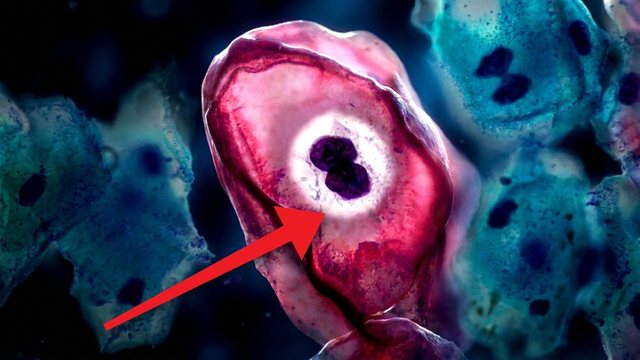
No, with a normal Pap test, colposcopy isn't routine. It's done after an abnormal screening result or for certain types of HPV. It can also be ordered for symptoms such as bleeding. The test sometimes misses changes even when it comes back normal, so don't skip your checkups.
Why is a Pap test enough to catch cell changes without a colposcopy?
A Pap test collects cells from your cervix and looks for changes before they cause symptoms. Colposcopy magnifies the cervix, finds the area that looks abnormal, and lets your doctor take a biopsy. That's why it comes after an abnormal result, when there's something to look at up close.
I get both every time. Does doing a Pap test and a colposcopy together help?
Guidelines don't include routine colposcopy when your results are normal. Doing it anyway adds tests you don't need. Depending on your age, screening is a Pap every 3 years or an HPV test every 5, alone or with a Pap. If your gynecologist orders a colposcopy because of your history, ask why.
If my gynecologist says a Pap test isn't enough anymore, what should I ask?
Ask what's behind the colposcopy: an abnormal result, a type of HPV, or a symptom. Ask whether your age calls for an HPV test and how often to repeat screening. HIV, a weakened immune system, or a recent abnormal result can change that schedule, and your gynecologist knows if any of them apply.
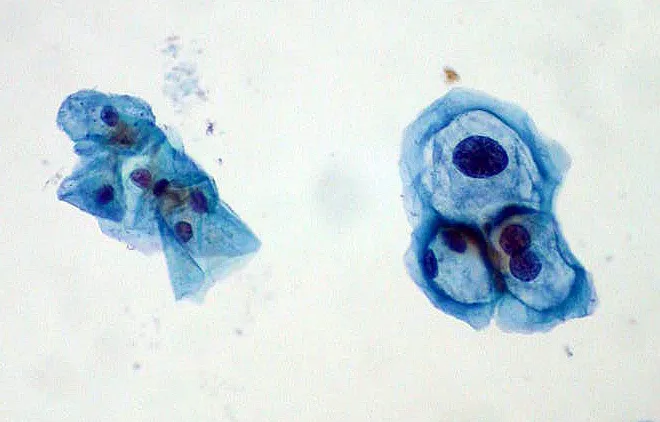
Micrograph: Ed Uthman, ThinPrep Pap smear HPV, CC BY-SA 2.0. Unmodified.

Where this comes from
- USPSTF: accessed 2026-10-22
- ACOG: accessed 2026-10-22
- American Cancer Society (2020 cervical screening guideline): accessed 2026-10-22
- NCI: accessed 2026-10-22
- National Cancer Institute (NCI), PDQ for patients: accessed 2026-10-22
- National Cancer Institute (NCI), PDQ for health professionals: accessed 2026-10-22
- American College of Physicians (ACP), Best Practice Advice 2015: accessed 2026-10-22
- American Cancer Society (ACS): accessed 2026-10-22
This is educational content, meant to help you understand your body. It is not a medical consultation or a diagnosis, and it does not tell any particular person what to do. If something worries you, see a doctor you trust.