
You asked
My biopsy came back CIN 3. Is that cancer?
This question came from the comments on this video:
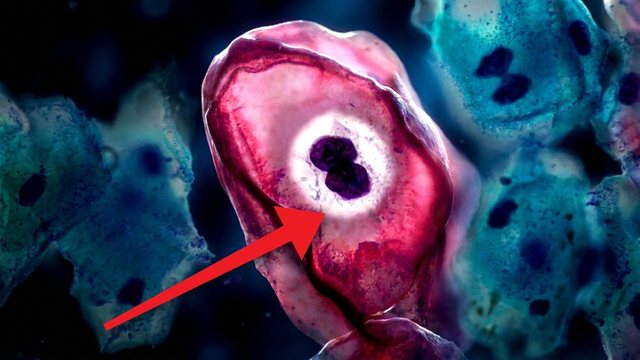 Human papillomavirus (HPV): we saw the virus almost everyone will get
Hearing Spanish on YouTube? Tap ⚙ › Audio track › English
Also came up on 6 more videos
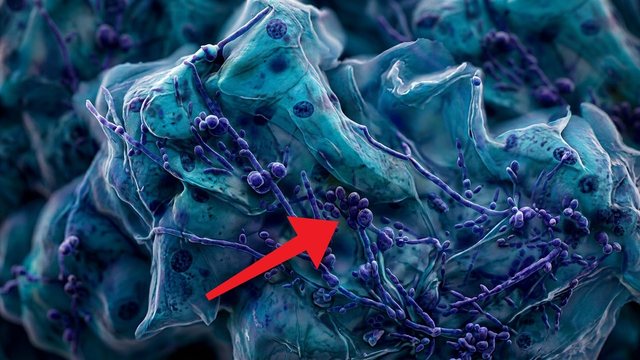 Herpes, trichomonas, yeast, vaginosis .. your Pap test detects more than cancerYouTube
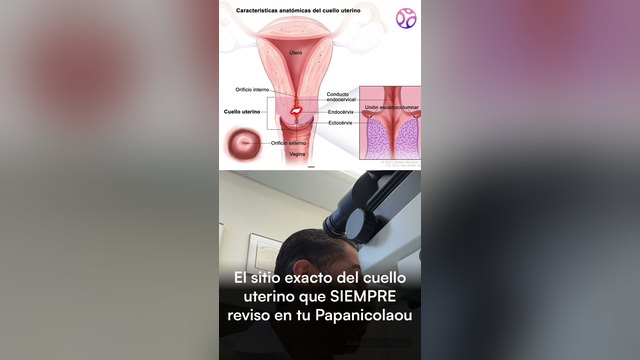 A reel by Dr. Carlo on InstagramInstagram
- A reel by Dr. Carlo on InstagramInstagram
 What HPV looks like while deforming cells .. and what we look for in a Pap testYouTube · English audio
- A reel by Dr. Carlo on InstagramInstagram
- A reel by Dr. Carlo on FacebookFacebook
No. CIN 3 is not cancer yet. It is a high-grade precursor lesion: abnormal cells that stay put and do not invade. The epithelium is the lining that covers the cervix. The grade describes how much of the lining's thickness is occupied by abnormal cells. CIN 1 is mild, CIN 2 moderate, CIN 3 severe. High-grade lesions can progress to cancer, but they are treatable.
How long does it take for CIN 1 to turn into CIN 3, or can it really all happen within a year?
There is no fixed timeline. The precursor phase is usually long. Most low-grade lesions clear on their own, with no treatment. Progression can happen faster when the immune system is weakened, since HPV infections persist longer in that situation. Follow-up visits help determine whether the lesion clears or progresses.
Why were my Pap tests normal for years if the biopsy found CIN 3?
This can happen, and it does not mean your tests were done incorrectly. A Pap test examines individual cells and can be difficult to interpret: it may miss abnormal cells and come back normal even when a lesion is present. A biopsy, which examines tissue, confirms the exact grade. That is why the Pap test is now paired with HPV testing.
I was diagnosed with CIN. What comes next: surgery or just monitoring, and how often do I get checked?
It depends on the grade. Low-grade lesions are often watched, since many clear on their own. For CIN 2, either removing the lesion or monitoring it can be appropriate, depending on your age and pregnancy plans. With CIN 3, treatment is considered. Dysplasia can come back, so follow-up care continues.
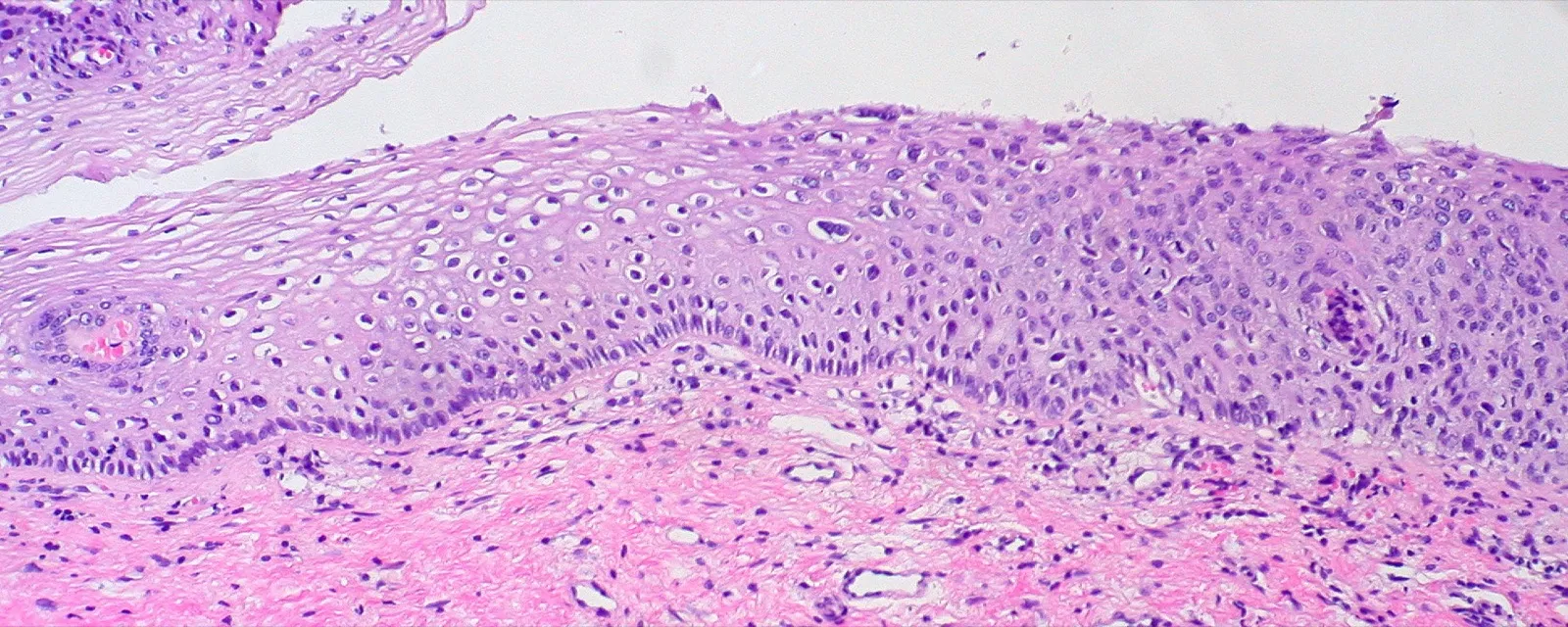
Micrograph: Ed Uthman, Spectrum of SIL Cervical Dysplasia, CC BY 2.0. Resized for the web.

Where this comes from
- ASCCP, 2019 risk-based consensus guidelines: observation is preferred over treatment for CIN 1, and excision is preferred over ablation for CIN 2 or 3 in the United States; after treatment and initial post-treatment management, surveillance with HPV testing or cotesting every 3 years continues for at least 25 years because risk remains elevated throughout that period, and treated patients have not been shown to return to a risk level compatible with 5-year intervals.
- IARC, manual on colposcopy and treatment of cervical intraepithelial neoplasia: CIN grade is determined by how much of the epithelial thickness is occupied by undifferentiated cells (lower third, two thirds or full thickness); most low-grade lesions are transient, and the average interval for a cervical precursor lesion to progress to invasive cancer is 10 to 20 years.
- US National Cancer Institute: most HPV infections clear on their own within one or two years and do not cause cancer; a high-risk infection that lasts for years can produce a precursor lesion that, if it is not found and removed, may eventually lead to cervical cancer.
- National Cancer Institute (NCI) .. SEER Training Modules: accessed 2026-09-20
- American College of Obstetricians and Gynecologists (ACOG): accessed 2026-09-20
- World Health Organization (WHO): accessed 2026-09-20
This is educational content, meant to help you understand your body. It is not a medical consultation or a diagnosis, and it does not tell any particular person what to do. If something worries you, see a doctor you trust.