
You asked
Does a Pap test detect HPV, or is that a different test?
This question came from the comments on this video:
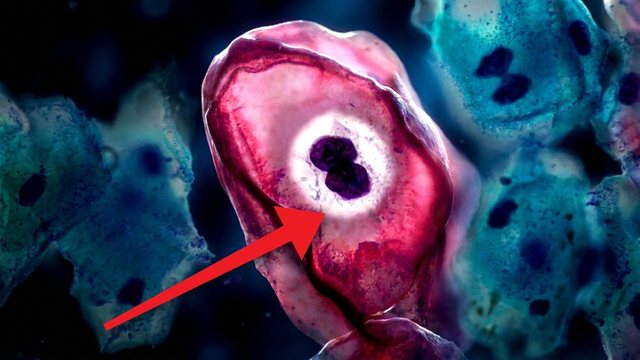 Human papillomavirus (HPV): we saw the virus almost everyone will get
Hearing Spanish on YouTube? Tap ⚙ › Audio track › English
No, this test shows the changes HPV leaves in cells, but it can't detect the virus itself. Also called cervical cytology, it looks at cells from the cervix under a microscope. The HPV test looks for the virus directly and finds the high-risk types. Both tests can be run on the same sample.
What test do I need to find out if I have HPV, and how is it done?
The HPV test looks for the virus, and the Pap test looks at the cells. During a pelvic exam, a speculum opens the vagina so the cervix can be seen. A soft brush collects cells, and both tests use the same sample. You have to ask for the HPV test, and sometimes you can take your own vaginal sample.
Does HPV cause symptoms, and how soon can it be caught?
Most of the time HPV causes no symptoms, which is why screening tests look for it. Your body usually clears it on its own within a year or two. If the virus causes high-grade changes, they usually take years to become cancer. Regular Pap and HPV tests are designed to take advantage of that window.
My partner had HPV and my Pap was normal. Can I trust it, or do I need other tests?
A normal Pap is a good sign, but no test is perfect. It can come back normal even when a lesion is there. It also doesn't look for the virus itself. You can ask your doctor whether to add an HPV test, which looks for the virus directly. Regular follow-up is what protects you.
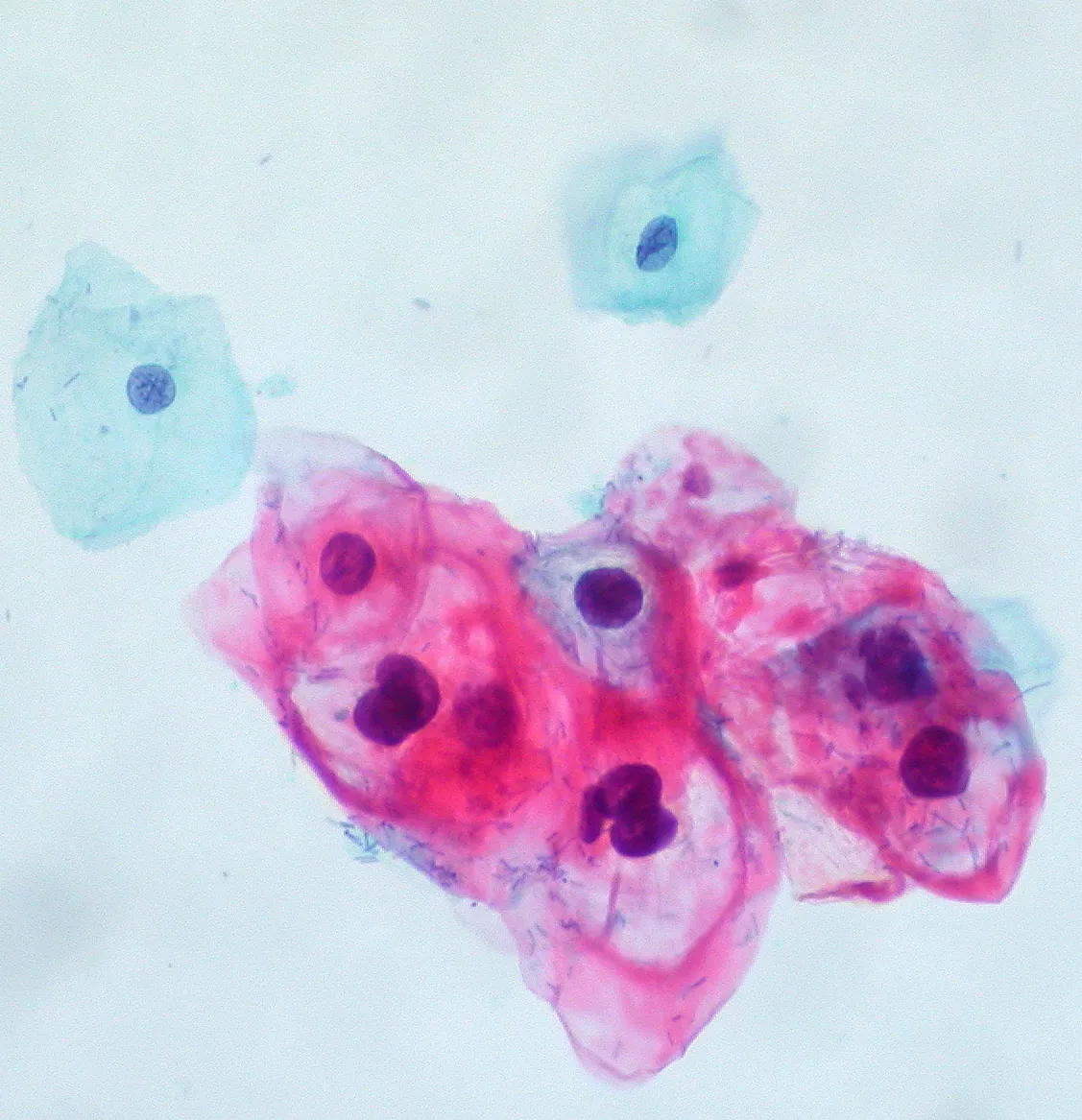
Micrograph: Ed Uthman, CIN 1/HPV on ThinPrep, CC BY-SA 2.0. Unmodified.

Where this comes from
- National Cancer Institute (NCI): accessed 2026-10-14
- American Cancer Society (ACS): accessed 2026-10-14
- American College of Obstetricians and Gynecologists (ACOG): accessed 2026-10-14
- U.S. Preventive Services Task Force (USPSTF): accessed 2026-10-14
- American Cancer Society (ACS): accessed 2026-10-14
- National Cancer Institute (NCI): accessed 2026-10-14
- World Health Organization (WHO): accessed 2026-10-14
- National Cancer Institute (NCI), PDQ: accessed 2026-10-14
- American Cancer Society (ACS): accessed 2026-10-14
- American Sexual Health Association (ASHA): accessed 2026-10-14
- MedlinePlus (NLM/NIH): accessed 2026-10-14
- MedlinePlus (NLM/NIH): accessed 2026-10-14
- Office on Women's Health (HHS): accessed 2026-10-14
- NHS: accessed 2026-10-14
This is educational content, meant to help you understand your body. It is not a medical consultation or a diagnosis, and it does not tell any particular person what to do. If something worries you, see a doctor you trust.