
You asked
Does a Pap test detect every infection, or is there another test?
This question came from the comments on this video:
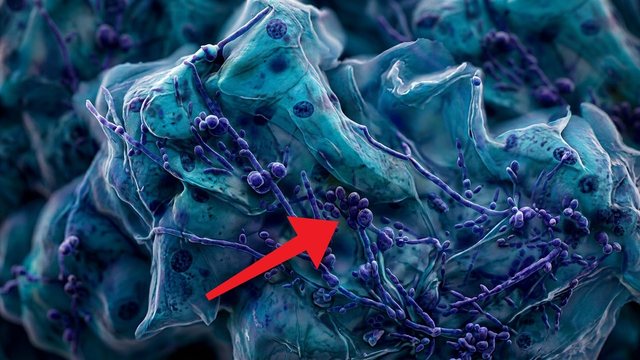 Herpes, trichomonas, yeast, vaginosis .. your Pap test detects more than cancer
Hearing Spanish on YouTube? Tap ⚙ › Audio track › English
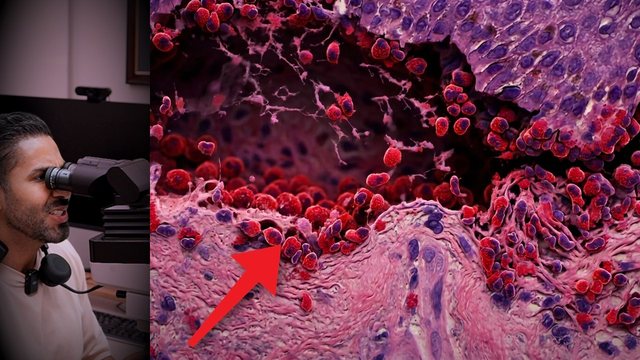
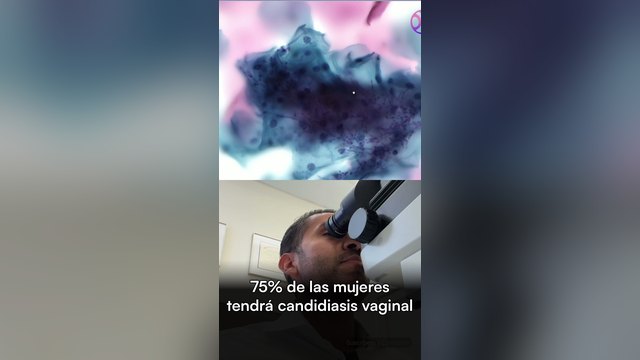
No. A Pap test mainly looks for changes in the cells of the cervix. Sometimes it also shows an infection or inflammation along the way, but it isn't designed to find every infection. HPV has its own test, which looks for the high-risk types. Other sexually transmitted infections are checked for with separate tests.
If my Pap shows no cancer cells, how do they know there's inflammation?
Besides the cervical cells, the sample shows immune cells such as neutrophils and lymphocytes. When there are a lot of them, the report describes this as inflammation. It's a common finding, and most of the time it isn't a cause for concern. What matters is keeping up with your regular checkups.
Why don't transformation zone cells show up, so I have to repeat my Pap?
Often the brush just didn't reach the transformation zone, where most lesions start. Age, pregnancies and some bacterial or yeast infections also play a role. Missing these cells doesn't raise your risk of a high-grade lesion. Whether to repeat the Pap is your doctor's call, based on your age and your HPV test.
Is it normal to bleed or feel irritated after a Pap test, or should I worry?
Yes, some discomfort and light bleeding are normal, and the bleeding usually stops within hours. The cervix has many blood vessels, and the brush rubs against it. A Pap is done even if you feel fine, since it looks for changes before symptoms. If the bleeding is heavy or won't stop, tell whoever took your sample.
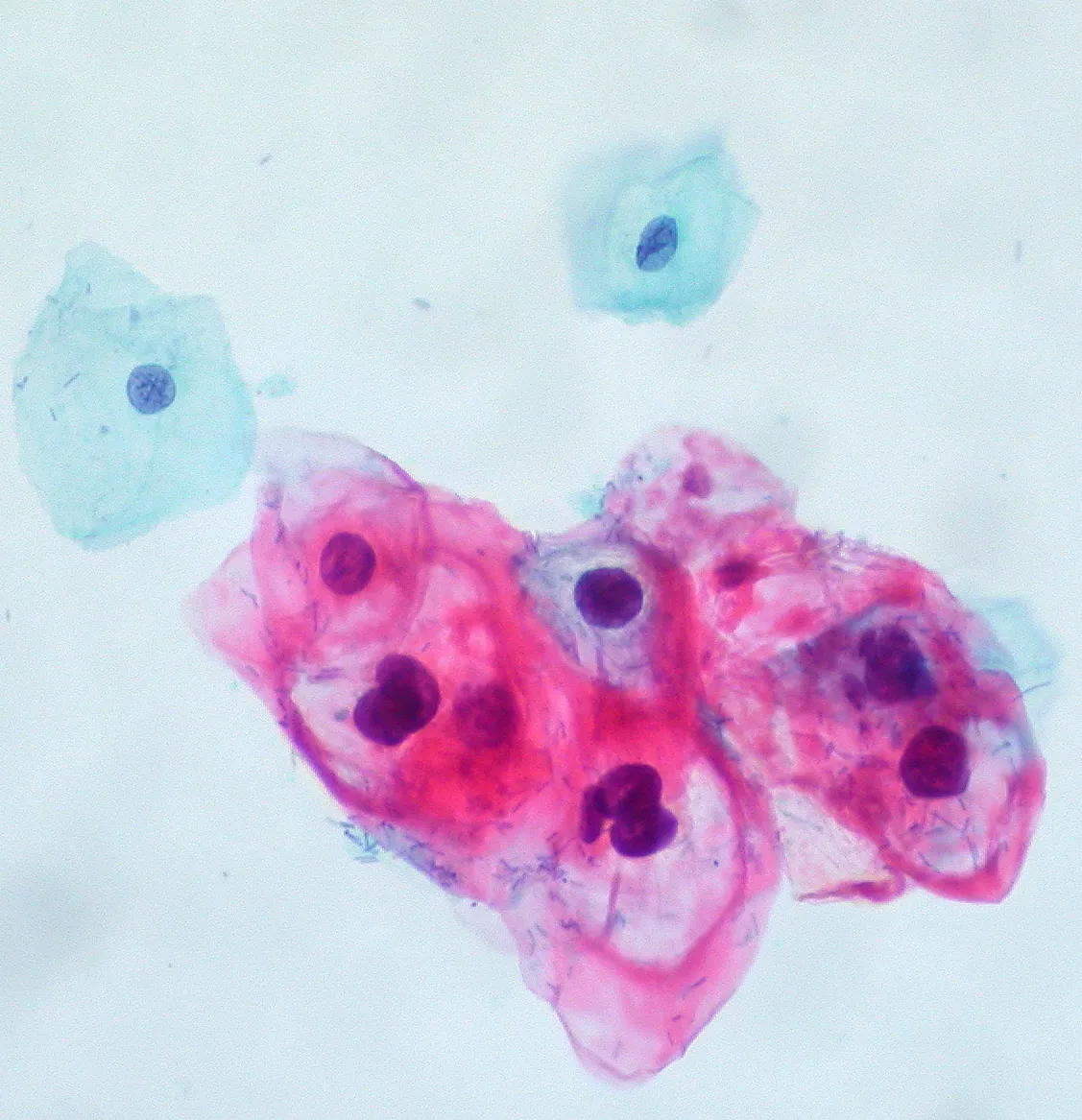
Micrograph: Ed Uthman, CIN 1/HPV on ThinPrep, CC BY-SA 2.0. Unmodified.

Where this comes from
- National Cancer Institute (NCI): accessed 2026-10-22
- ASCCP: accessed 2026-10-22
- ACOG: accessed 2026-10-22
- MedlinePlus (NLM/NIH): accessed 2026-10-22
- NHS (United Kingdom): accessed 2026-10-22
- The Royal Marsden NHS Foundation Trust: accessed 2026-10-22
- American Academy of Family Physicians (AAFP) – 2001 Bethesda System: accessed 2026-10-23
- Cochrane – Cervical cytology sampling devices (brush + spatula vs. spatula alone): accessed 2026-10-23
- Journal of the American Board of Family Medicine – randomized trial of brush + Ayre spatula vs. extended-tip spatula: accessed 2026-10-23
This is educational content, meant to help you understand your body. It is not a medical consultation or a diagnosis, and it does not tell any particular person what to do. If something worries you, see a doctor you trust.