
You asked
If I no longer have a uterus, do I still need a Pap test?
This question came from the comments on this video:
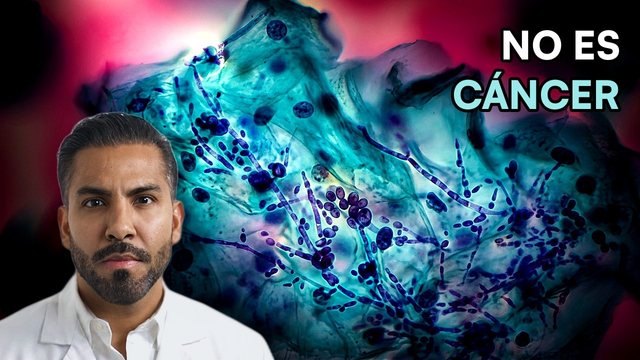 Herpes, trichomonas, yeast, vaginosis .. your Pap test detects more than cancer
Also came up on 1 more video
No, if your uterus and cervix were removed for a benign reason and you never had a high-grade cervical lesion or cervical cancer. With either history, or if your cervix was left in place, screening continues. At your visit, ask whether the cervix was removed and what the pathology found.
Without a uterus, where is the sample taken from, and does it really do any good?
When needed, the sample comes from the vaginal cuff, the top of the vagina that is closed during surgery. It helps monitor that area in people who had surgery for cervical cancer or a serious precancer. After a total hysterectomy for a benign reason, with no high-grade lesions or cancer, testing stops.
If my whole uterus was removed because of fibroids, do I still need a Pap test?
No. Fibroids are a benign cause, so after a total hysterectomy, cervix included, testing stops. The exception is a history of cervical cancer or a serious cervical precancer. Confirm with your gynecologist that your cervix was removed, because sometimes it is left in place.
If I'm over 60 and have no uterus, can I stop getting Pap tests?
Yes, after a total hysterectomy for a benign reason with no history of high-grade cervical lesions or cervical cancer, you can stop at any age. If your cervix was kept, you can stop after 65 with documented adequate negative prior screening and no high risk. Without that screening history, keep going.
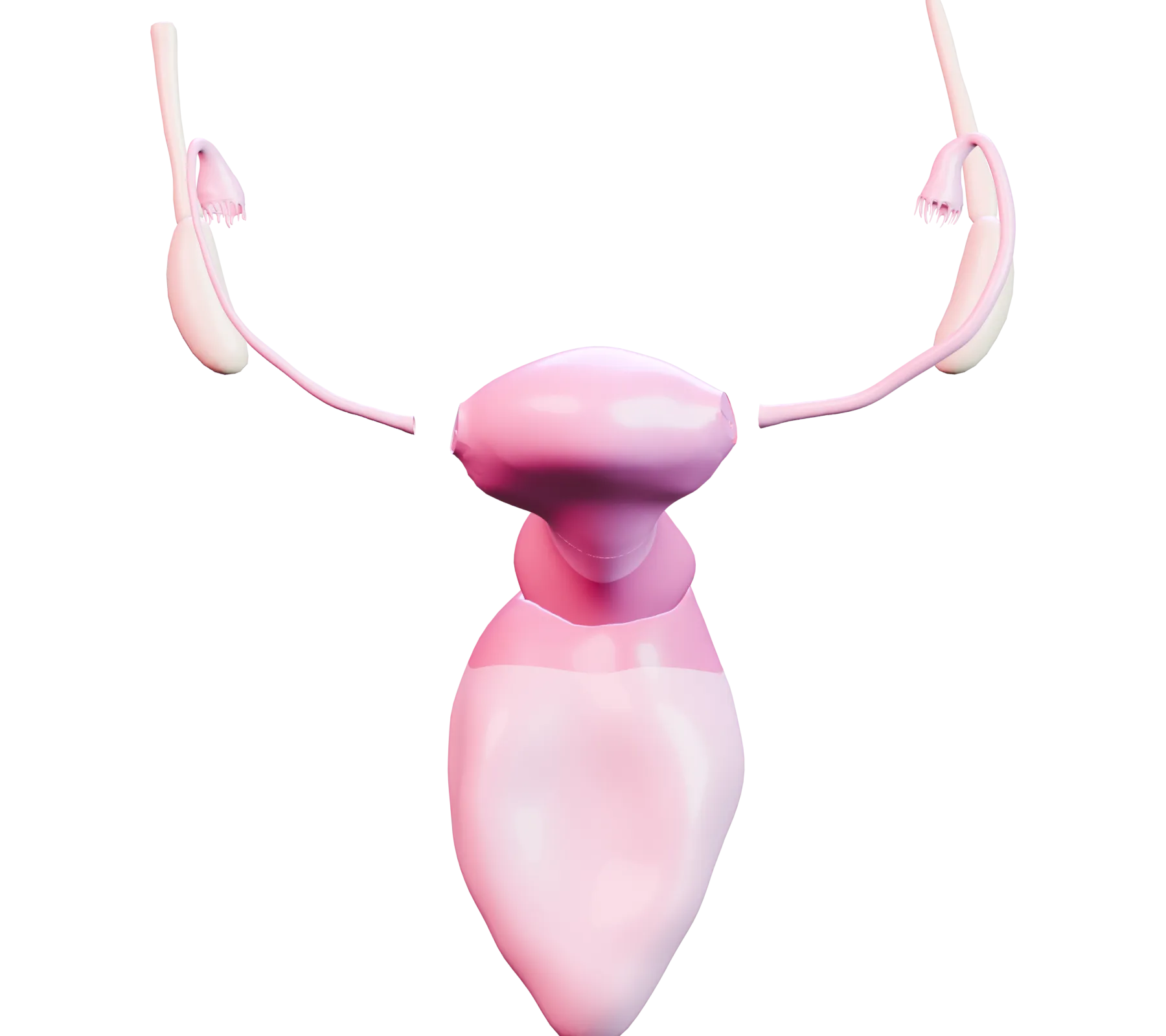
3D model: Human Reference Atlas, NIH 3D, Body, Female, CC BY 4.0. Our render of the reproductive organs, with editorial color.
Where this comes from
- American Cancer Society (ACS): accessed 2026-10-15
- US Preventive Services Task Force (USPSTF): accessed 2026-10-15
- American Cancer Society (ACS), 2020 guideline in CA Cancer J Clin: accessed 2026-10-15
- American Cancer Society (ACS): accessed 2026-10-15
- American Cancer Society / ASCCP / ASCP (Saslow et al., 2012): accessed 2026-10-15
- ACOG: accessed 2026-10-15
- AAFP (summary of the ACOG guideline): accessed 2026-10-15
- National Cancer Institute (PDQ): accessed 2026-10-15
This is educational content, meant to help you understand your body. It is not a medical consultation or a diagnosis, and it does not tell any particular person what to do. If something worries you, see a doctor you trust.