
You asked
Can I still get the HPV vaccine after 40?
This question came from the comments on this video:
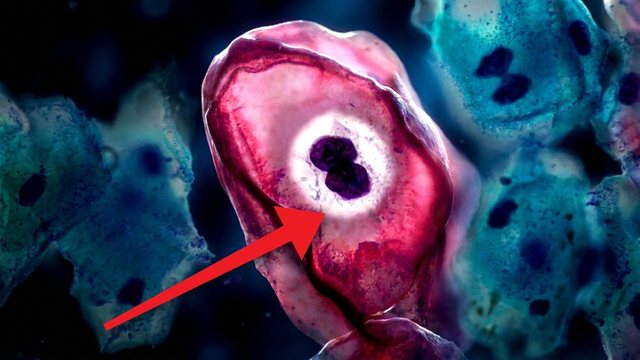 Human papillomavirus (HPV): we saw the virus almost everyone will get
Hearing Spanish on YouTube? Tap ⚙ › Audio track › English
Also came up on 2 more videos
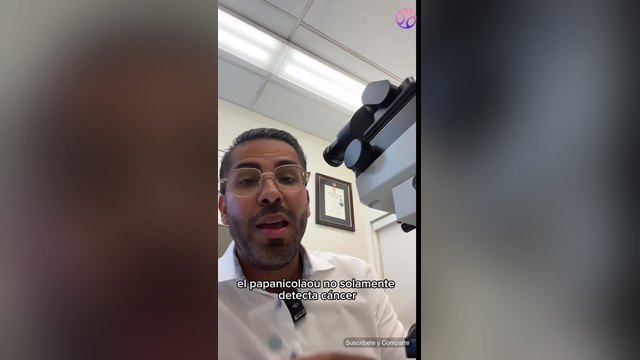
Yes. At 40 you still qualify: the vaccine is approved for ages 9 through 45. Routine vaccination continues through age 26. From ages 27 to 45, you decide with your doctor whether to get vaccinated, since more people have already been exposed to the virus by then and the extra benefit is smaller. After age 45, vaccination falls outside the approved indication.
Why do they say the HPV vaccine is only given through age 45 and not after that?
FDA approval ends at age 45. From ages 27 to 45, vaccination is no longer routine: you and your doctor decide whether to get vaccinated, since more people in that age range have already been exposed to the virus and the extra benefit is smaller. The schedule for Pap and HPV testing (cervical screening) stays the same whether you are vaccinated or not.
If you already have the virus, or you just learned you do, is the vaccine still worth getting?
Yes, it can still help you. The vaccine covers nine types of the virus and protects against the ones you have not caught yet. It does not cure the infection you already have, and it does not treat a lesion; a lesion needs its own follow-up care. And screening stays the same, vaccinated or not.
What tests do you need before getting the vaccine as an adult?
None. No testing is required before you get the vaccine, not even a pregnancy test; if you are pregnant, you wait until after delivery to get it. Your age determines the vaccine schedule: adults receive a three-dose series. Screening is a separate track, with its own schedule by age.
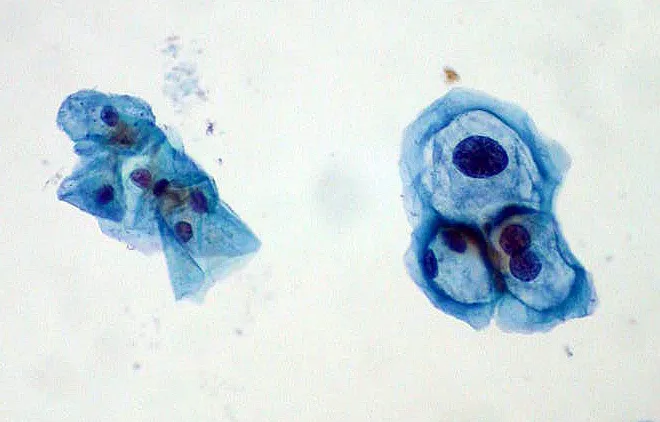
Micrograph: Ed Uthman, ThinPrep Pap smear HPV, CC BY-SA 2.0. Unmodified.

Where this comes from
- FDA: Gardasil 9 is indicated for ages 9 through 45.
- ACOG (Committee Opinion 809): accessed 2026-09-19
- National Cancer Institute (NCI): accessed 2026-09-19
- American Cancer Society (ACS): accessed 2026-09-19
- U.S. Preventive Services Task Force (USPSTF): accessed 2026-09-19
- ACOG (American College of Obstetricians and Gynecologists): accessed 2026-09-19
This is educational content, meant to help you understand your body. It is not a medical consultation or a diagnosis, and it does not tell any particular person what to do. If something worries you, see a doctor you trust.