
You asked
Does skin cancer only show up where the sun hits you?
This question came from the comments on this video:
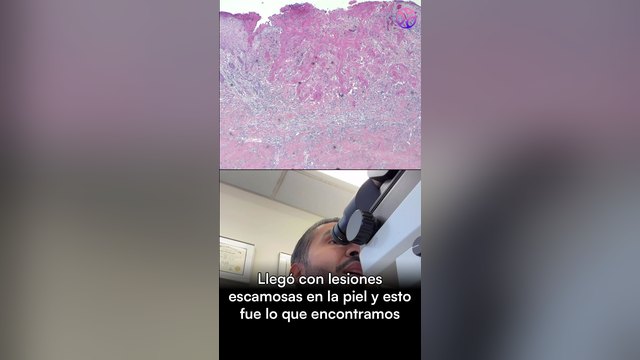 A reel by Dr. Carlo on Instagram
Also came up on 1 more video

No, it can also show up on skin that gets little sun, like the palms or the genitals. Years of sun raise the risk, which is why the face and neck are common spots. When you check yourself, look over all of your skin, scars and feet included, and watch for anything that grows, bleeds or changes.
Why do some people spend their whole lives in the sun, like fishermen, and never get skin cancer?
Because risk depends on your own skin as well as on the sun. People with fair skin and freckles who burn easily are more susceptible. Even so, many years in the sun do raise the risk of skin carcinoma. Knowing several healthy people who work outdoors doesn't mean it never happens.
Is it true that if you have darker skin you can't get skin cancer?
No. Melanin gives some protection, but it doesn't make anyone immune. In darker skin, cancer is often found at a more advanced stage, because people look for it less. It can also show up where the sun barely reaches, like the feet or around the nails. A dark line on a nail is worth having checked.
If you biopsy an odd-looking spot and it turns out to be cancer, can the biopsy make it spread?
No, a biopsy doesn't spread cancer. It's what makes a timely diagnosis possible. For melanoma, one study found no increase in recurrences or deaths when only part of the lesion was sampled first. A spot that grows, bleeds or changes is worth showing to a dermatologist, who decides whether a biopsy is needed.

Micrograph: Xavier-Júnior, Munhoz, Souza, Campos, Stolf, and Marques, Histopathology of invasive acral lentiginous melanoma, CC BY 4.0. Cropped to the useful field with color and contrast adjusted.

Where this comes from
This is educational content, meant to help you understand your body. It is not a medical consultation or a diagnosis, and it does not tell any particular person what to do. If something worries you, see a doctor you trust.